

Backdrop
Pursuant to the Hon’ble Supreme Court’s Order dated 10th July, 2009, the State Compensatory Afforestation Fund Management & Planning Authority (CAMPA), Odisha was constituted vide Notification No. 13995/F & E dated 14.08.2009. The Authority was established with the primary objective of ensuring conservation, protection, regeneration and scientific management of forests, wildlife and their habitats in the State.
The key objectives of State CAMPA include:
- Raising site-specific Compensatory Afforestation, Penal Compensatory Afforestation, and other forestry interventions.
- Restoration and enhancement of degraded forest lands.
- Wildlife conservation and habitat improvement measures.
- Effective utilization of funds deposited towards Net Present Value (NPV) and other levies arising out of diversion of forest land for non-forestry purposes under the Forest (Conservation) Act, 1980 now called as Van (Sanrakshan Evam Samvardhan) Adhiniyam, 1980.
The Compensatory Afforestation Fund Act, 2016 was enacted on 3rd August, 2016, followed by notification of the Compensatory Afforestation Fund Rules, 2018 on 10th August, 2018, providing a statutory framework for transparent and efficient management of CAMPA activities.
Since its inception, the State CAMPA, Odisha has formulated 16 Annual Plans of Operation (APOs), starting from APO 2009-10. The latest APO 2025-26 is under implementation from April, 2025.
- A total receipt of ₹2644.15 crore was received from Ad-hoc CAMPA, against which ₹2630.68 crore was spent up to APO 2019-20.
- After constitution of State Authority CAMPA, Odisha in 2019 as per CAF (Act) 2016 & CAF (Rule)2018 an amount of ₹9580.86 crore has been received from National CAMPA, New Delhi and is maintained in the Public Account for implementation of forthcoming APOs i.e. from APO 2019-20.
- The total expenditure of State CAMPA through budget provisions in APO 2019-20 to APO 2024-25 stands at ₹4717.93 Crore.
Achievement during APO 2024-25
Afforestation Activities
The following interventions under various afforestation components have been achieved.
Site specific Compensatory Afforestation, Penal Compensatory Afforestation etc. include 549.23 ha. of Block Plantation, 3531.29 ha. of ANR, 284.88 ha. of Bald Hill, 155.80 Ha. of ANR without gap, Avenue Plantaion1.6 RKM and 61042 nos. of tall tree plantation.
The Following activities have been taken up during the aforesaid period under NPV.
SSO bamboo 16408.55 Ha., Block Plantation 986.5 Ha., ANR Plantation 17057 Ha., Bald Hill Plantation 560 Ha., Casuarina Plantation 59.50 Ha., Mangrove Plantation 20 Ha., SMC activity over 2307 Ha. & raising and maintenance of 433 Lakh of 18 month old seedlings
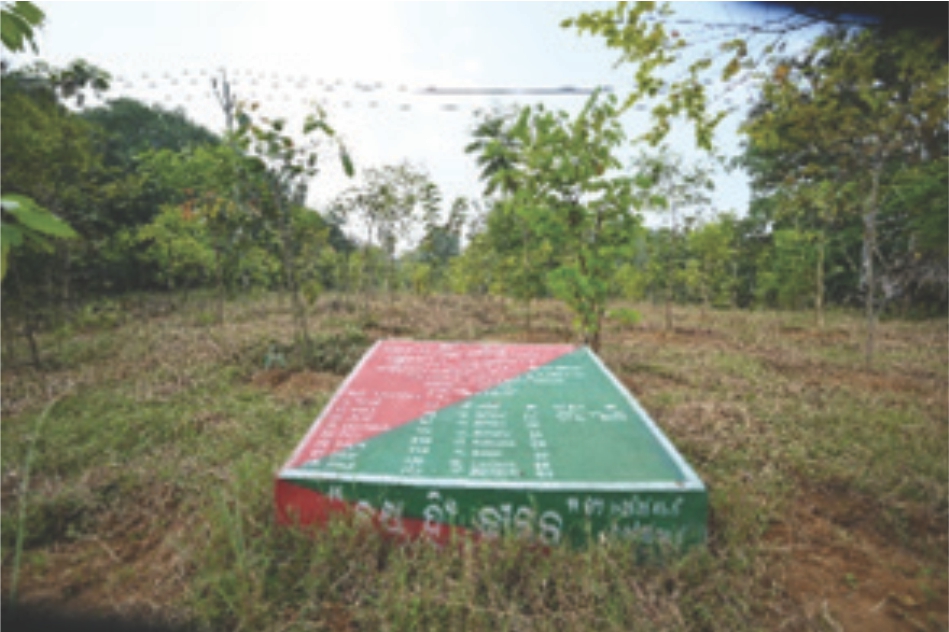
CA Block Plantation @ Angul
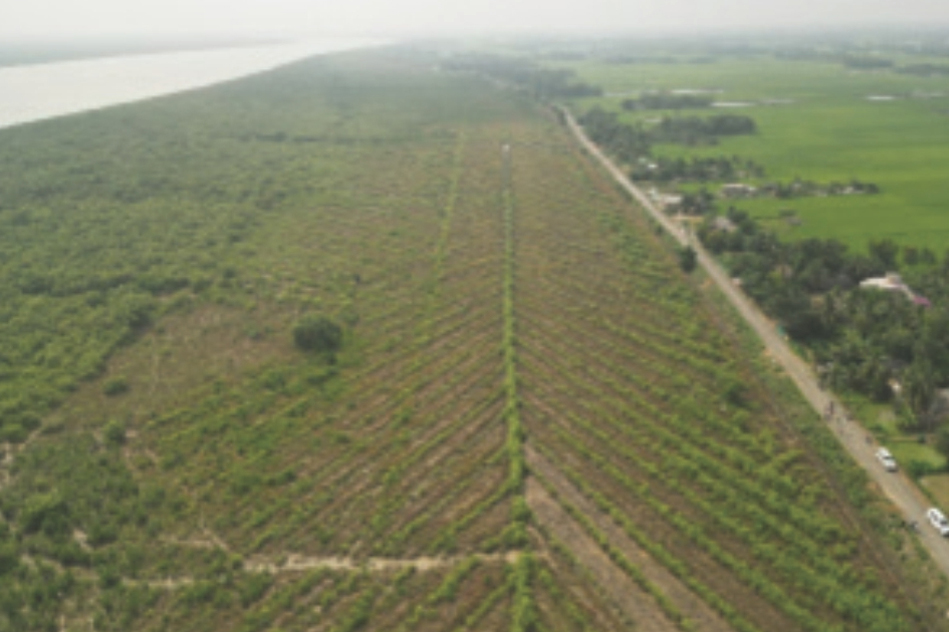
Fish Bone Plantation @ Rajnagar
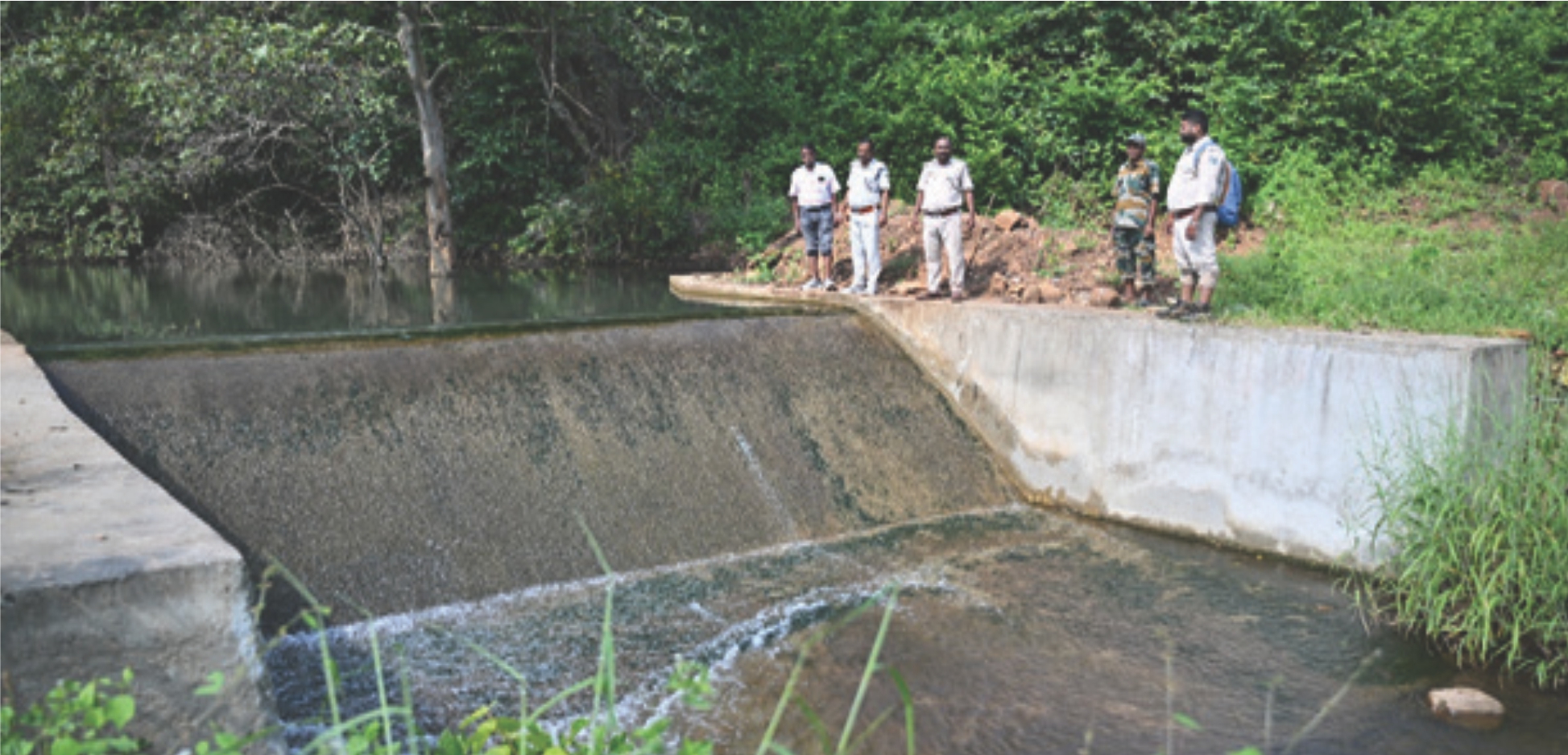
Check Dam @ Angul Division
Forest Protection Activities
Engagement of 4,040 rural unemployed youth for protection and conservation of forests and wildlife, Deployment of 261 Firefighting Squads for prevention and control of forest fires and Deployment of 665 (Protection + Fire) vehicles for strengthening forest protection, patrolling and enforcement duties in 51 Forest and Wildlife Divisions.
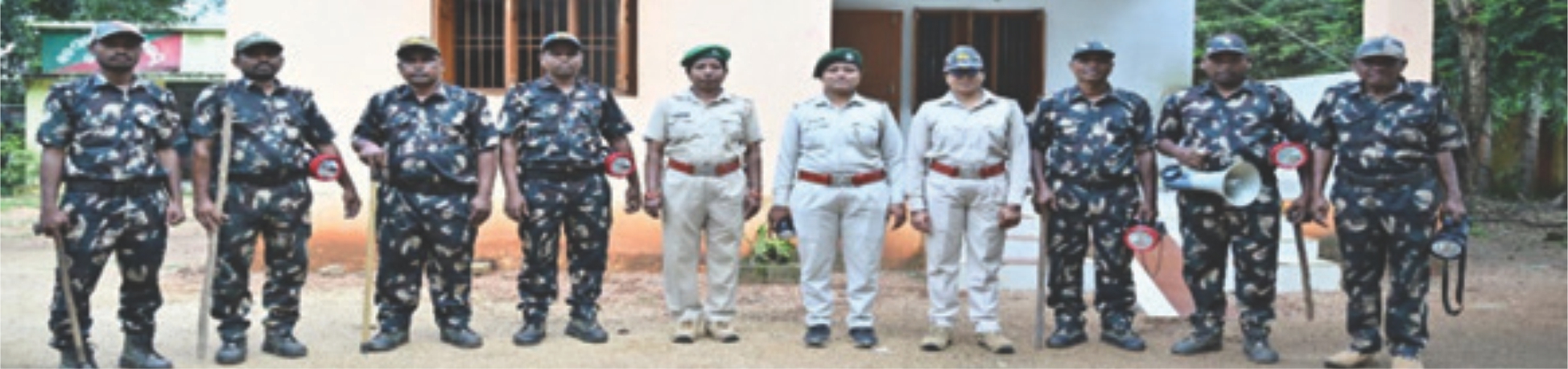
Protection Squad @ Keonjhar Division
Infrastructure Development
To strengthen office and residential infrastructure for frontline Forest staff 5 Range Offices, 5 Range Officer’s Residences, 58 Forester Quarters, 167 Forest Guard Quarters have been constructed, Maintenance of 644.228 Km of forest roads for accessibility, patrolling, and connectivity has been done. Besides 9 nos of Anti-Poaching Barracks and 9 nos of Watch Towers have been constructed to strengthen wildlife protection measures.
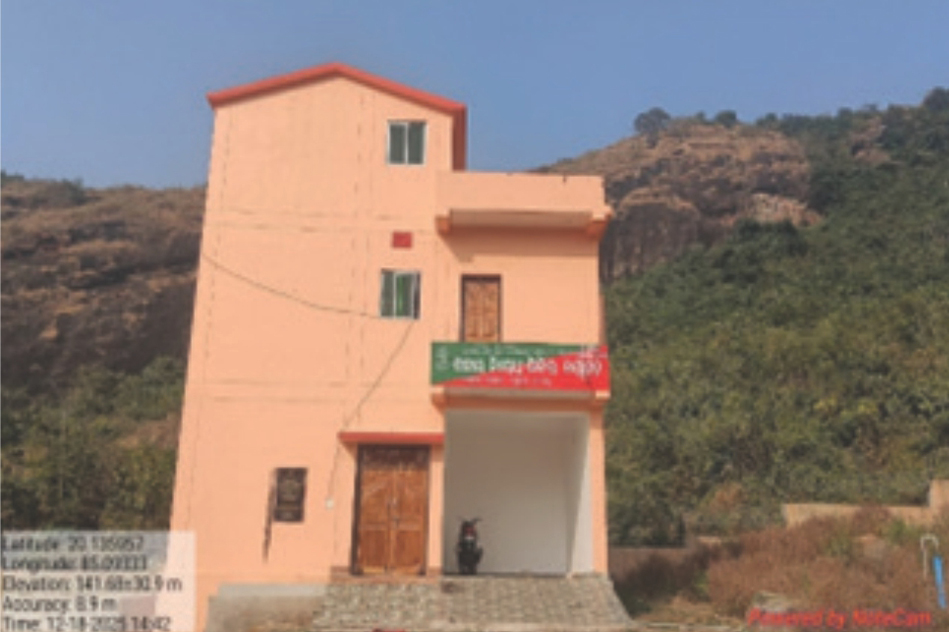
Barrack @ Nayagarh Division
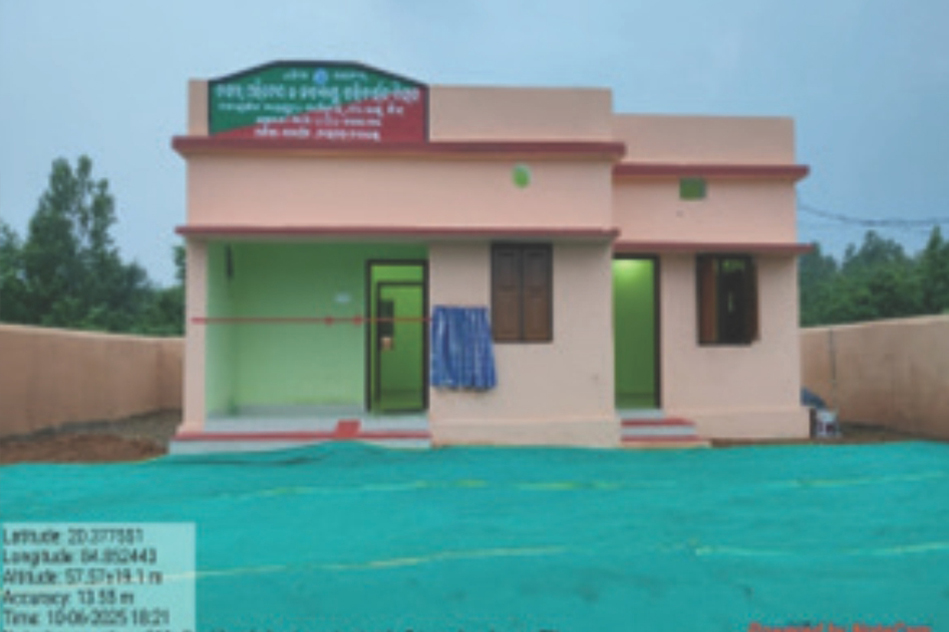
FGQr. @ Nayagarh Division
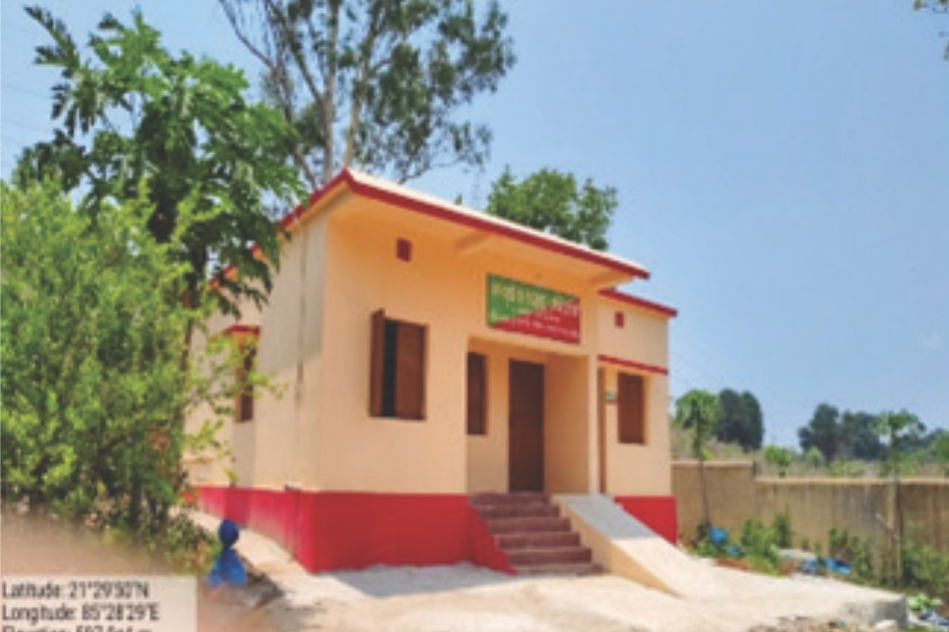
FG Qr. @ Keonjhar Division
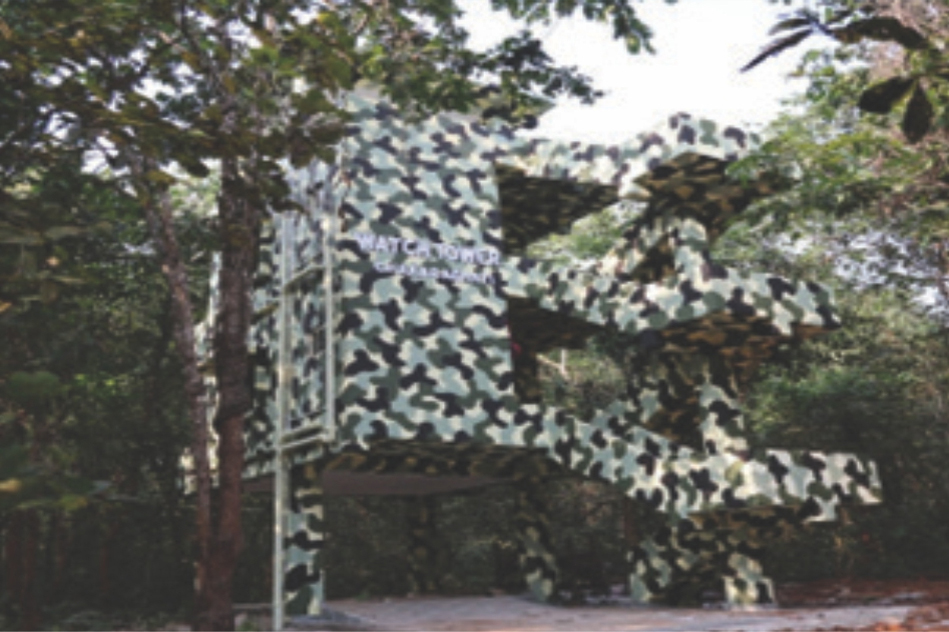
Watch Tower @Ghumsur North
Wildlife Management
- Rs. 306.57 crore has been utilized for undertaking the following activities:
- Management of wildlife in Protected Areas, including:
- Protection and anti-poaching measures
- Human–wildlife conflict mitigation and anti-depredation activities
- Strengthening of communication systems
- Habitat improvement works
- Infrastructure development
- Implementation of the Elephant–Train Collision Mitigation Plan
- Implementation of Site-Specific Wildlife Conservation Plans.
- Implementation of activities prescribed under the Regional Wildlife Management Plan for the State.
- Relocation of families from 3 villages in Hadagarh Wildlife Sanctuary in accordance with approved rehabilitation norms.
Highlights for APO 2025-26
The CAMPA Annual Plan of Operation (APO) 2025-26 is under implementation since April, 2025. Against the proposed financial outlay including Additional APO of ₹1201.68 crore (1078.10+123.85), the National Authority, CAMPA has approved an outlay of ₹1136.21 crore.
The progress of activities under APO 2025-26 is as follows:
- Site-specific Compensatory Afforestation (CA), Penal Compensatory Afforestation (PCA), CATP, etc. completed over 5525.5045 ha.
- Block Plantation over 662.5 ha.
- Assisted Natural Regeneration (ANR) Plantation over 10925 ha.
- Bald Hill Plantation over 480 ha.
- Fruit and Fodder Plantation over 2093 ha.
- RET / Medicinal Plantation with Gap Plantation over 3991 ha.
- Regeneration of Degraded Bamboo Forests over 45000 ha.
- Raising and maintenance of 3.86 crore seedlings (18-month-old) for various plantation activities.
- Soil Moisture Conservation (SMC) works over 5500 ha – under progress.
Forest Protection & Prevention of Forest Fire
- Deployment of 261 firefighting squads in 51 Forest and Wildlife Divisions.
- Engagement of 3170 rural unemployed youth in 51 Divisions for protection and conservation of forests and wildlife.
- Deployment of 317 hired vehicles for whole year and 261 hired vehicles for 5 months in 51 Forest and Wildlife Divisions for forest protection, fire prevention, patrolling, and enforcement duties.
- Creation and maintenance of 24500 km of fire lines in forest areas and Protected Areas to prevent and control forest fires.
Infrastructure Development
Construction works of 4 Range Offices, 4 Range Officer’s Residences, 34 Forester’s Quarters, 50 Forest Guard Quarters, 10 WatchTowers are under progress. Besides maintenance of 976 Km of Forest Roads has been done.
Wildlife Management
- Protection and anti-poaching measures, anti-depredation activities, strengthening of communication systems, habitat improvement works, infrastructure development and implementation of the Elephant–Train Collision Mitigation Plan.
- Implementation of Site-Specific Wildlife Conservation Plans covering 272 projects.
- Implementation of activities under the Regional Wildlife Management Plan.
- Relocation of families from 2 villages located in Satkosia Tiger Reserve.
- Maintenance of Research Gardens and implementation of related research activities, including Adaptive Research, Tree Improvement Programmes, and production of Quality Planting Material (QPM).
Monitoring Mechanism (e-Green Watch)
A web-based monitoring portal, ‘e-Green Watch’, has been launched for real-time monitoring and evaluation of all CAMPA activities in the State. The portal allows for uploading geo-referenced data of all ongoing and completed activities, which facilitates effective monitoring by the Forest Survey of India (FSI) and the National Informatics Centre (NIC).
In addition to the portal, the following mechanisms have been implemented to ensure transparency and accountability:
- Protection and anti-poaching measures, anti-depredation activities, strengthening of communication systems, habitat improvement works, infrastructure development and implementation of the Elephant–Train Collision Mitigation Plan.
- Third-party monitoring of CAMPA activities completed up to APO 2022-23. Evaluation of APO 2023-24 is under progress.
- Deployment of Flying Squads a part of Internal Vigilance to monitor and check ongoing CAMPA activities.
These initiatives aim to strengthen accountability, transparency, and efficient utilization of funds in all CAMPA interventions.